
Clinical research can feel like something that happens “somewhere else”—in academic centers or specialty clinics. For Dr. Titus Abraham, it belongs exactly where patients already are, in the everyday flow of internal medicine.
A board-certified internist at Annapolis Internal Medicine and a Principal Investigator with Avacare Clinical Research Network, Dr. Abraham brings a clear point of view to every study: make research rigorous, yes, but also real for the people it’s meant to serve.
Meet Dr. Titus Abraham
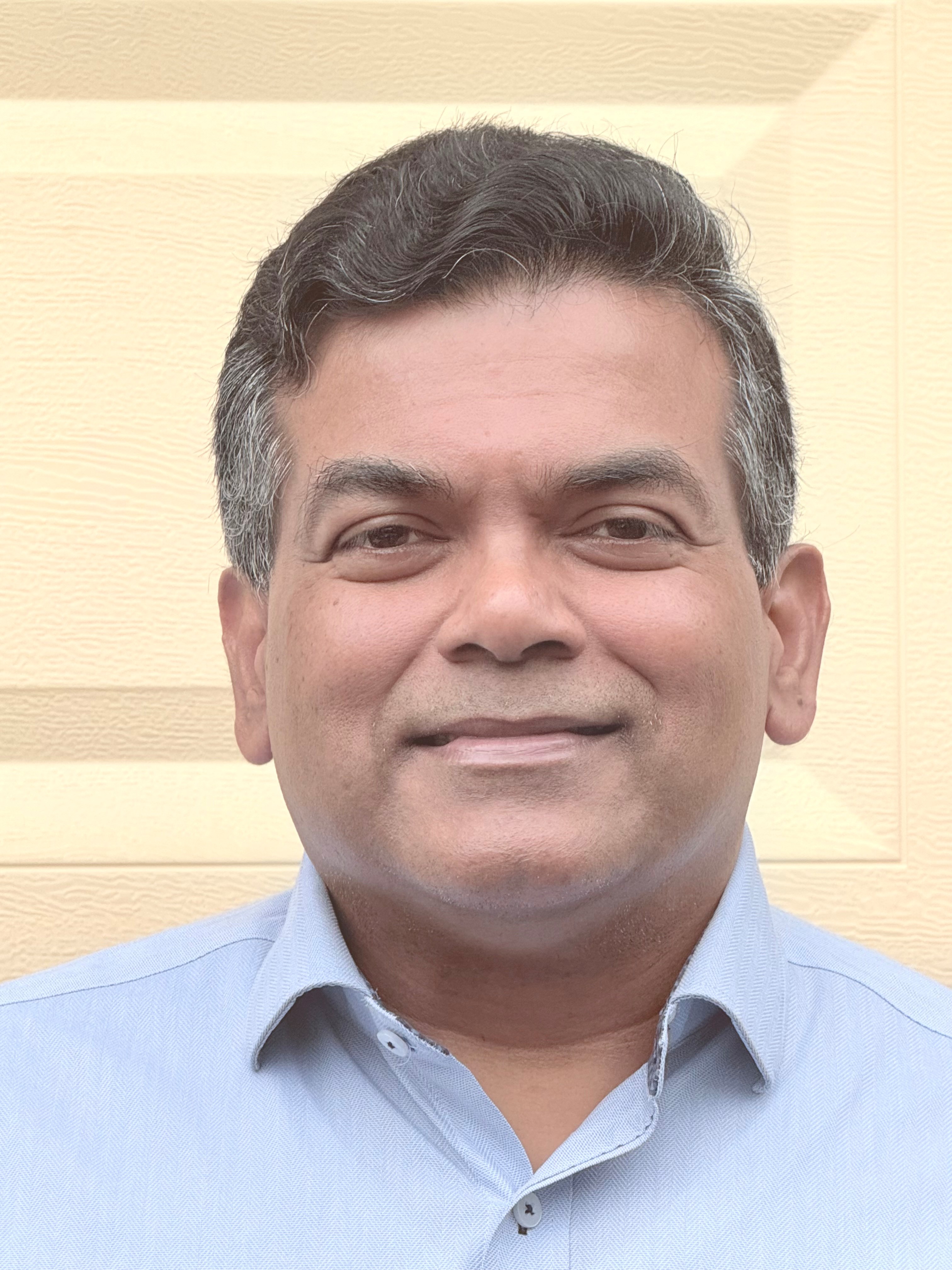
|
Location: Annapolis, Maryland Therapeutic focus: Metabolic disease—with a clinical focus spanning metabolic disease, cardiovascular health, and preventative medicine Years as a PI: 3 years |
What sparked your path into clinical research?
For Dr. Titus Abraham, the “why” came into sharp focus during the COVID pandemic and the rapid development of lifesaving vaccines. That moment reshaped his view of where research should live.
“The COVID epidemic…and the almost miraculous development of a lifesaving vaccine convinced me that clinical research was not just for specialty clinics or academic medical centers but should be part of bread-and-butter medicine”
Practicing internal medicine in Annapolis, Maryland, Dr. Abraham saw how common—and how consequential—metabolic and cardiovascular conditions are for working families, and how limited access to trials can be for the very populations most affected. Clinical research, to him, is a way to bring new options closer to home while contributing to evidence that can benefit millions.
Just as importantly, he sees community context as operational, not abstract. Knowing patients’ schedules, stressors, and barriers informs how studies are approached, from feasibility to recruitment outreach.
“This proximity to the community…informs every study decision… Research here isn’t abstract; it’s for our patients.”
What keeps you committed today?
Ask Dr. Titus Abraham what’s most meaningful about the PI role, and you’ll hear a theme: options, trust, and growth.
He describes the power of being able to tell a patient there may be something new worth considering and that participating can help others, too. In a busy internal medicine setting, that conversation can deepen a patient’s engagement in their own health.
He’s equally motivated by the team side of research: watching coordinators develop, seeing a practice expand its capabilities, and building something that lasts beyond any one protocol.
And in metabolic and cardiovascular research specifically, he sees real-world impact in therapies and platforms that can change long-term outcomes, especially when patients already under routine care gain closer monitoring, more frequent touchpoints, and potential access to therapies not yet commercially available.
How we approach recruitment and retention
At Avacare’s Annapolis location, recruitment starts with something many sites work hard to build, existing patient relationships.
With an established patient base and an electronic medical record, the team uses EHR-based pre-screening to identify potential candidates as part of routine clinical workflows so study conversations feel organic rather than transactional.
Retention, in Dr. Abraham's view, is built the same way trust is built in medicine: through consistency, realistic expectations, and support.
A practical 30-day rhythm on a new study:
In the first month, Dr. Abraham prioritizes infrastructure, team training, organizing study materials, and mapping eligibility criteria to the patient database. He also holds discussions with relevant staff so everyone understands the study purpose and can recognize potential candidates. By day 30, the goal is to have the first consented patient screened and, when timelines allow, enrolled.
Reducing drop-off:
The team focuses on setting expectations at consent (visit burden, time commitment, and what participation looks like day-to-day), offering flexible scheduling, including early morning and weekend options when possible, and maintaining regular check-in calls between visits led by the study coordinator.
Making complex protocols understandable (and supportive)
For Dr. Titus Abraham and team, patient experience isn’t a slogan, it’s an operating principle.
They lean on plain-language education to translate complex eligibility criteria and study procedures into jargon-free explanations.
Study coordinators serve as the consistent point of contact throughout a participant’s journey: pre-visit reminder calls, availability between visits, and continuity at appointments. This approach reduces anxiety, builds trust, and helps catch protocol misunderstandings early.
On the access side, the practice is ADA-accessible with convenient parking and after-hours access. The team works to identify interpreter support for language barriers, scheduling accounts for work and family constraints, and when protocols allow, telehealth touchpoints may be explored for non-procedural visits.
“The goal is to eliminate as many barriers as possible so that the study population reflects the patient community.”
A challenge overcome: Scale, weather, and staying study-ready
Like many high-performing practices, scale is both a strength and an operational challenge.
Avacare’s Annapolis site is embedded within a large practice (8 MDs, 2 Pas, 12 CRNPs), with eleven sub-investigators. This is excellent coverage, but also a need to stay disciplined with documentation timelines and training currency. One tactic the team uses is aligning protocols with investigator interests. Examples can include obesity medicine, diabetes care, or infectious disease and vaccines. This helps maintain engagement and accountability across a broader investigator pool.
Another real-world hurdle is winter weather in Maryland. This can make it difficult for older participants to come into the clinic. During those periods, ride share transportation support has proved helpful in improving compliance and retention.
Therapeutic focus: The real-world nuances of GLP-1 research
Dr. Titus Abraham is particularly active in metabolic disease, and he sees GLP-1s as a defining drug class of the early 21st century.
He points to practical nuances sponsors and research teams must plan for, including: muscle versus fat loss considerations, long trial durations needed to assess cardiovascular and kidney effects, and the recruitment challenge created by widespread commercial availability of GLP-1s.
A moment he’s most proud of
One of Dr. Abraham’s most meaningful memories comes from early in his PI journey when one of his own patients enrolled in a weight loss trial.
Even in a double-blinded study, the patient felt convinced he was receiving the trial drug because he was losing weight. But what stood out most wasn’t the weight change, it was what happened after the trial ended. Even after regaining weight, the patient looked forward to future studies he might be eligible for. Participation had been such a positive experience that it strengthened the patient-physician relationship and increased his enthusiasm for clinical research.
What’s next
Looking ahead, Dr. Abraham is focused on increasing the visibility of clinical research at his practice and recruiting new sub-investigators to broaden the researcher pool.
The team has reached out to local subspecialists to expand access to different patient populations, and they are exploring partnerships with vendors that can bring clinical technologies likely to be needed for future studies.
About Avacare
At Avacare Clinical Research Network, we’re proud to partner with investigators like Dr. Titus Abraham who bring clinical research into real-world care so more patients can access opportunities, and more studies can reflect the communities they aim to serve.